

A behavioral insights platform for therapy
Psyched helps patients capture the context between sessions and helps therapists understand the patterns, interactions, and goals patients choose to bring into care.
How It Works
Capture what happened between sessions
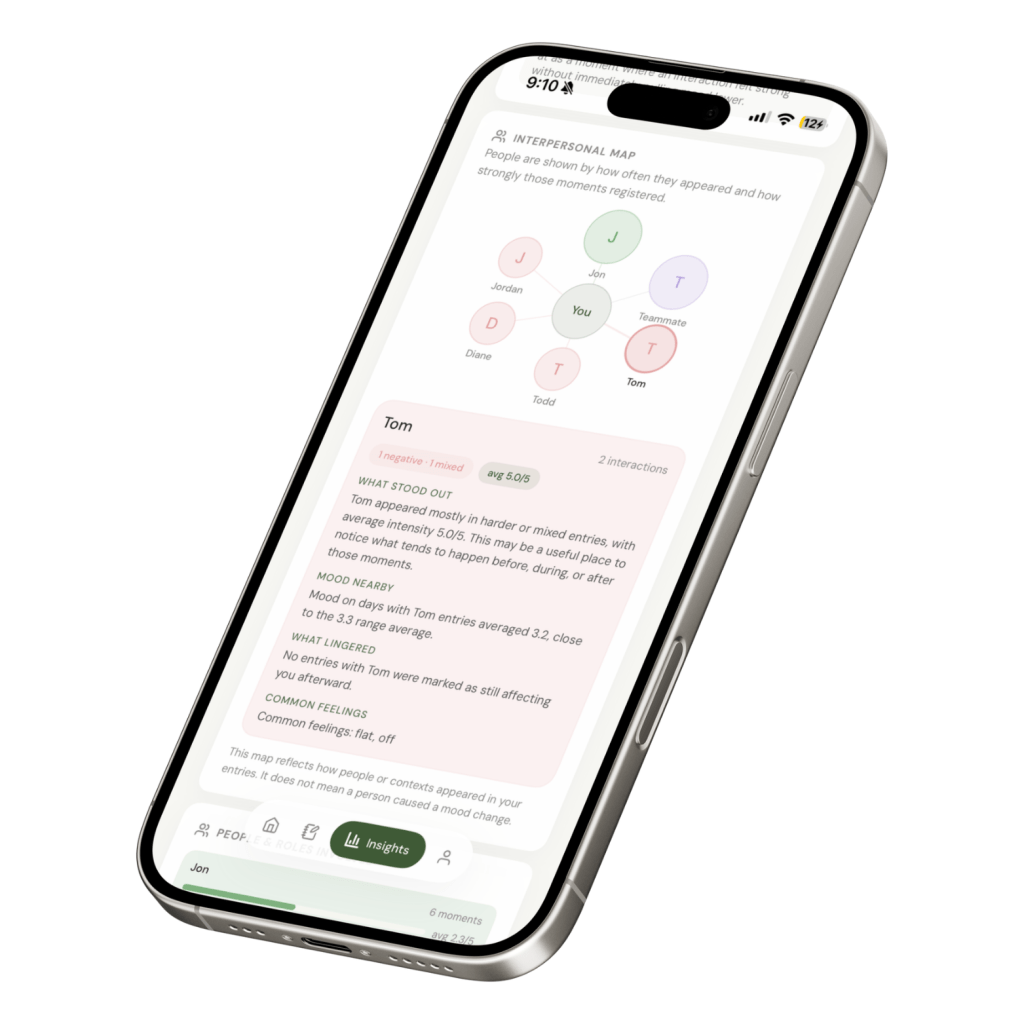
Patients use the Psyched app to capture meaningful between-session signals like mood, reflection, interactions, and key moments from the week. Psyched turns that input into structured behavioral context instead of raw logs.
Surface patterns before session begins
Before session starts, therapists can review a concise summary of week-to-week change, recurring themes, behavioral signals, and notable patterns that may be worth exploring.
Use clearer context in care
Instead of spending the first part of session reconstructing the week, therapists begin with clearer context and a more focused starting point for clinical conversation.
Psyched Exists for the 167 Hours Between Sessions
Important context is easy to lose
Therapists often begin sessions with an incomplete picture of what happened during the week. Patients may remember the headline, but not the interactions, reactions, progress, or setbacks that shaped it.
- Meaningful moments are forgotten or simplified
- Recurring patterns stay buried in memory or notes
- Goals and between-session work lose continuity
- Documentation requires reconstructing the week after the fact
Psyched creates a clearer starting point
Psyched helps patients capture meaningful moments, interactions, reflections, and goals as they happen, then organize what they choose to bring into therapy.
Therapists can review concise, patient-shared context before the session, helping them identify what changed, what repeated, and what may be worth exploring.
That structured context may also support more efficient documentation and reimbursement workflows—without replacing clinical judgment or generating automated clinical records.
